
Ajah Lekki Lagos Neighbourhood Guide: Popular Estates, Lifestyle & Security

 November 15, 2026
 0 Comments
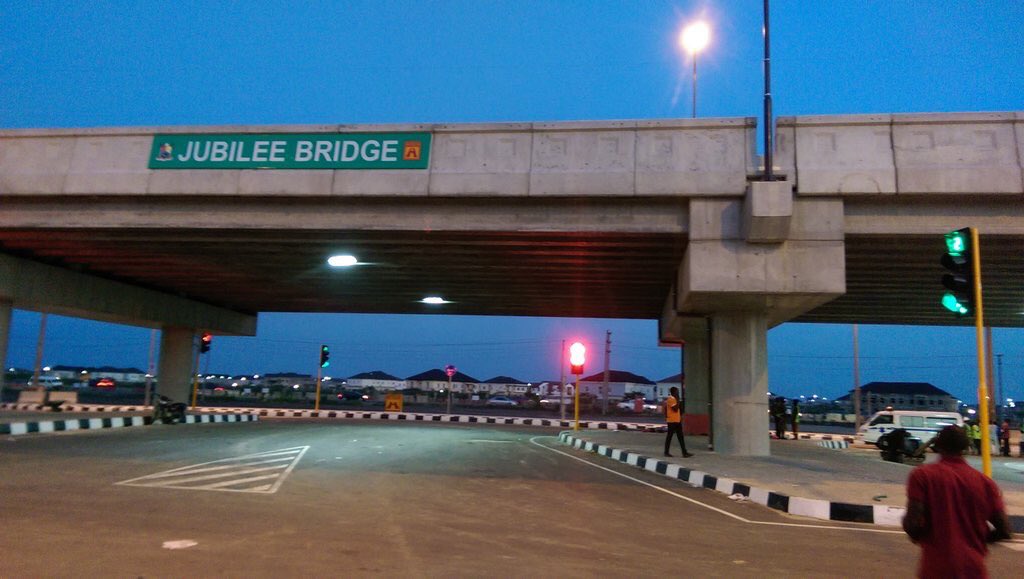
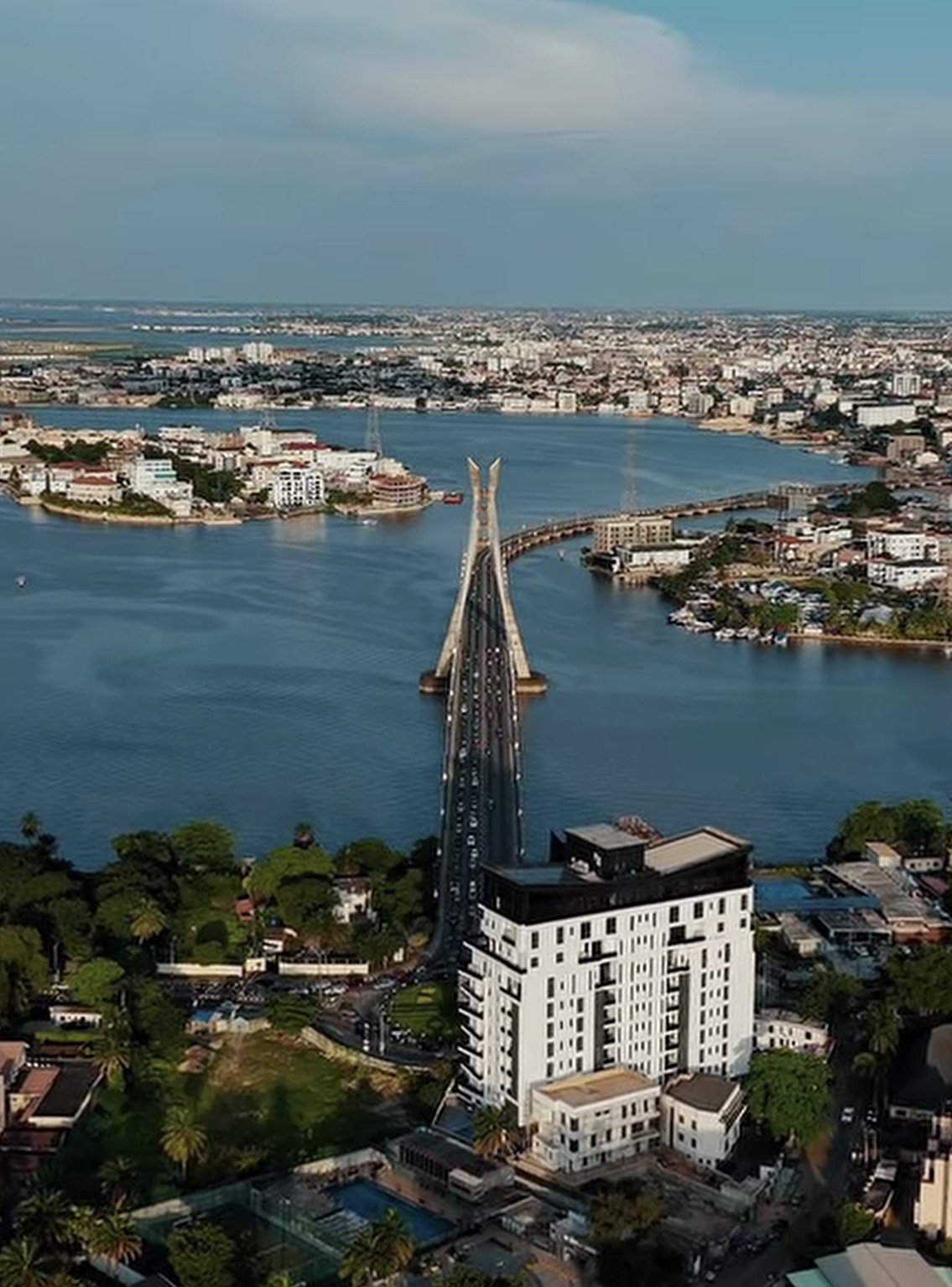
Ajah is a major residential and commercial town in the Eti-Osa Local Government Area of Lagos State, situated along the Lekki-Epe Expressway on the Lekki Peninsula. It is located on the Lekki Peninsula approximately 22 kilometres southeast of Lagos.Ajah is where the Lekki Peninsula changes gear. About 22 km east of Victoria Island, it is the point at which the planned estates of Lekki give way to a sprawling, fast-growing town of markets, motor parks, gated estates and new-build terraces. The name covers a lot of ground: the Ajah roundabout and flyover, the Abraham Adesanya Estate, Royal Garden Estate ,Thomas Estate, Badore and its ferry terminal, Addo Road, Ogombo, Okun-Ajah on the coast and the Sangotedo fringe around Novare Mall.
For most people, Ajah means value. It is the most affordable part of the Island proper, with two-bedroom flats from around NGN 3M a year and new three-bedroom terraces from under NGN120M, while still being close to the jobs, schools and beaches of Lekki. That affordability has drawn a huge population of young professionals, families and traders, and with them supermarkets, cinemas, banks, hospitals and the Lagos Business School.
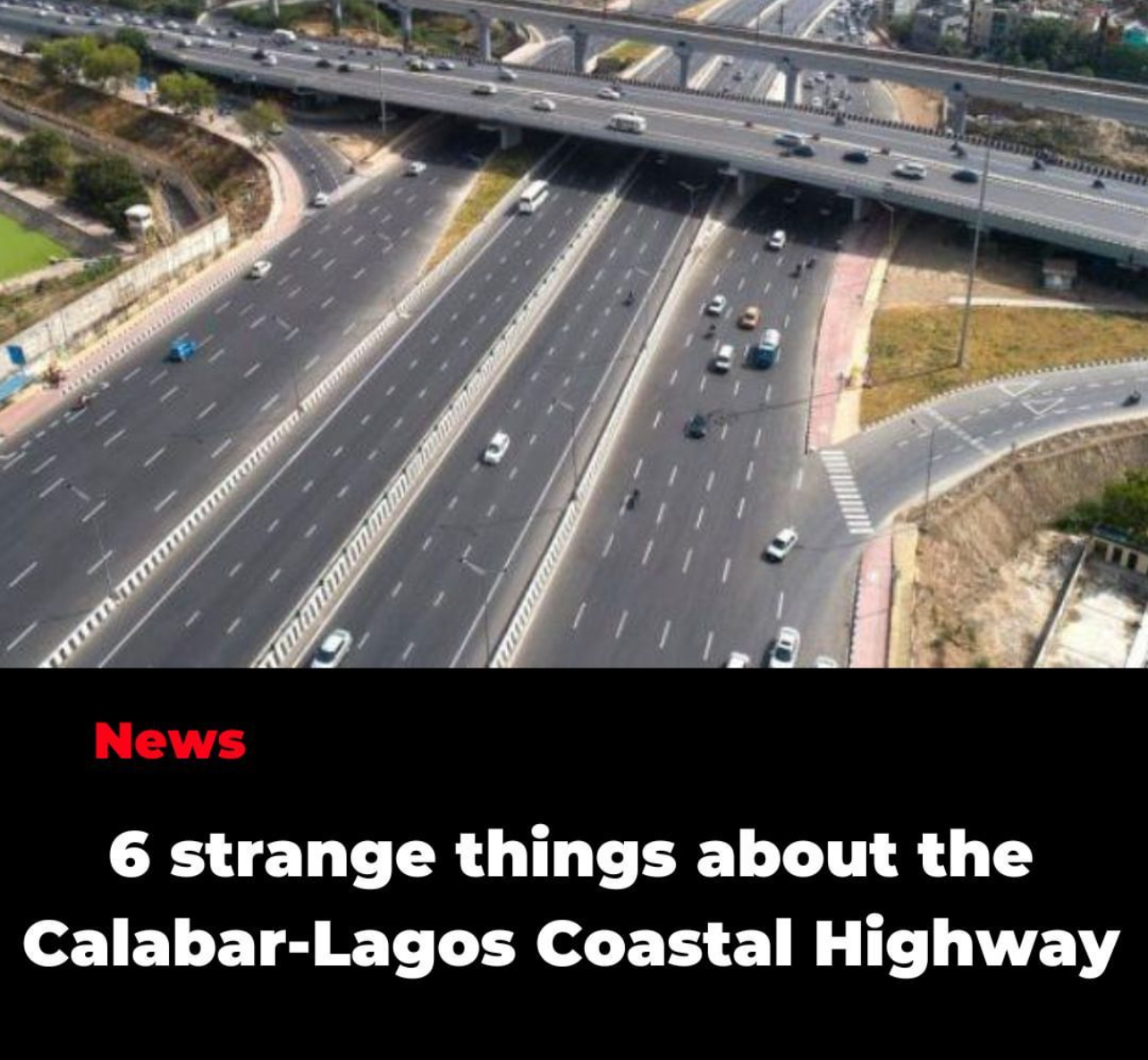
Ajah is also the transport hinge of the corridor. The Lekki–Epe Expressway runs through it, the Ajah flyover and Abraham Adesanya roundabout are the main interchanges, and the Badore jetty offers a ferry escape from the traffic that defines daily life here. The coming Lekki–Epe road upgrades, the Lagos–Calabar coastal highway and the growth of Ibeju-Lekki are all pushing demand eastwards through Ajah.
It is not without its rough edges: traffic is heavy, some areas flood, infrastructure lags behind the building boom, and security varies street by street. But for buyers and investors who pick the right estate, Ajah offers some of the strongest rental demand and growth potential on the Island.
History
Ajah is one of the oldest continuously inhabited settlements on the Lekki Peninsula. Oral tradition credits its founding to the Ojupon, Ogunsemo and Odugbese Abereoje families, fishing people who settled the lagoon shore several centuries ago, with a Baale chosen from the Ogunsemo line. The current Baale, the eleventh, was installed in 2009. For most of its history Ajah was a fishing and farming village on the creek, reached by water rather than road.
The modern story begins with the extension of the Lekki–Epe Expressway and the clearance of Maroko in 1990, which displaced many Ilaje and other communities eastward; some resettled in Ajah and its surrounding villages, occasionally straining relations with the indigenous families. Through the 1990s the Lagos State Government laid out housing schemes on the axis, including the low-cost scheme that became Abraham Adesanya Estate, named after the late Afenifere leader, around 2001.
Private estates such as Thomas Estate, Lekki Gardens and dozens of smaller schemes followed in the 2000s and 2010s as land prices in Lekki Phase 1 and VGC rose. The Lagos Business School opened its campus at Olokonla in 2003, Novare Lekki Mall arrived in Sangotedo in 2016, the Ajah flyover opened in 2017 to relieve the roundabout, and the Badore ferry terminal was upgraded as part of the state's waterways push. Today Ajah is a town of several hundred thousand people and the anchor of the Island's eastern growth.
Location & Neighbours
Ajah occupies the eastern portion of Eti-Osa LGA, straddling the Lekki–Epe Expressway where it runs between the Lagos Lagoon to the north and the Atlantic to the south. Its western edge meets VGC, Eleganza Gardens and Lake View Park around the Ikota–VGC stretch. The core runs from the Ajah roundabout and flyover east to the Abraham Adesanya roundabout, then on towards Olokonla and the Lagos Business School, after which Sangotedo, Abijo and the Ibeju-Lekki corridor begin.
North of the expressway, Addo Road and Badore Road lead through Ado, Langbasa and Badore to the lagoon and the ferry terminal. South of the expressway, Abraham Adesanya Road and the Ogombo road run through Lekki Gardens, Ogombo and Okun-Ajah to the beach. Thomas Estate sits between the roundabouts on the south side. Ajah is roughly 22 km from Victoria Island and 10 km from Lekki Phase 1, and it is the last major hub before the Lekki Free Trade Zone and Dangote Refinery, some 40 km further east.
Ajah has a reputation that precedes it and that reputation has been shifting fast. Five years ago, most Lagos Island professionals would have described it as “far.” Today, many of those same people live there. Rent that’s significantly lower than Lekki Phase 1 and Victoria Island, improving road access, a growing retail and food scene, and a genuine sense of space have made Ajah one of the most searched rental destinations on the Island corridor.
But Ajah is not a monolith. The name covers a wide stretch of the Lekki-Epe Expressway corridor, and the experience of living there varies considerably depending on which part of it you’re in. There’s a real difference between a well-managed estate close to the Ajah roundabout and an apartment three turns off the expressway on an unpaved road with no drainage. Both are technically “Ajah.”
This guide cuts through the broad strokes. It covers what the area is actually like to live in, what rent looks like across different property types in 2026, which parts of Ajah are worth your attention, the commute reality, and what to watch out for before you commit to anything.
Where Is Ajah?
Ajah refers to the area along the Lekki-Epe Expressway broadly centred around the Ajah Roundabout, the major intersection where the expressway meets Abraham Adesanya Road (which leads toward Ogombo, Sangotedo, and beyond). It sits in the Eti-Osa Local Government Area, roughly 30 – 45 minutes from Victoria Island under decent traffic conditions.
The area is often used interchangeably with neighbouring zones like Sangotedo, Ogombo, Agungi, and Abraham Adesanya Estate. For clarity: Ajah proper refers to the commercial and residential stretch around the roundabout and the roads off it, while those other names refer to distinct (if adjacent) sublocations. This guide focuses on Ajah proper, though it touches on the immediate surroundings where relevant.
Unlike Lekki Phase 1, which developed as a planned residential area, Ajah grew more organically around its commercial intersection. This gives it a busier, more mixed-use character in the core, with quieter residential pockets as you move off the main roads.
The Neighborhood Feel

Circle mall, Ajah
Ajah moves differently from Lekki Phase 1 or Ikoyi. It’s louder, more commercially active at street level, and less polished in its public infrastructure. The Ajah market is one of the busiest neighbourhood markets on the Island; a real, working market that draws residents from across the corridor for food, provisions, and goods at prices you won’t find at the Palms or Circle Mall.
At the same time, Ajah has been undergoing visible transformation over the past few years. New estates have been developed. Roads in some sections have been improved. Retail has grown significantly; Circle Mall at Lekki Phase 2 is a short drive away, and several big-box and mid-range retail formats have opened along the expressway corridor.
The resident profile is mixed in a way that reflects Ajah’s value proposition: young professionals who want Island access at a lower price point, families who’ve been priced out of Lekki Phase 1 and Ikoyi, and a growing number of people who’ve actively chosen Ajah for the space and relative affordability rather than settled for it. There’s also a significant population of corpers and early-career workers, particularly in the BQ and self-contained stock.
Poular Streets, Zones, and Estates
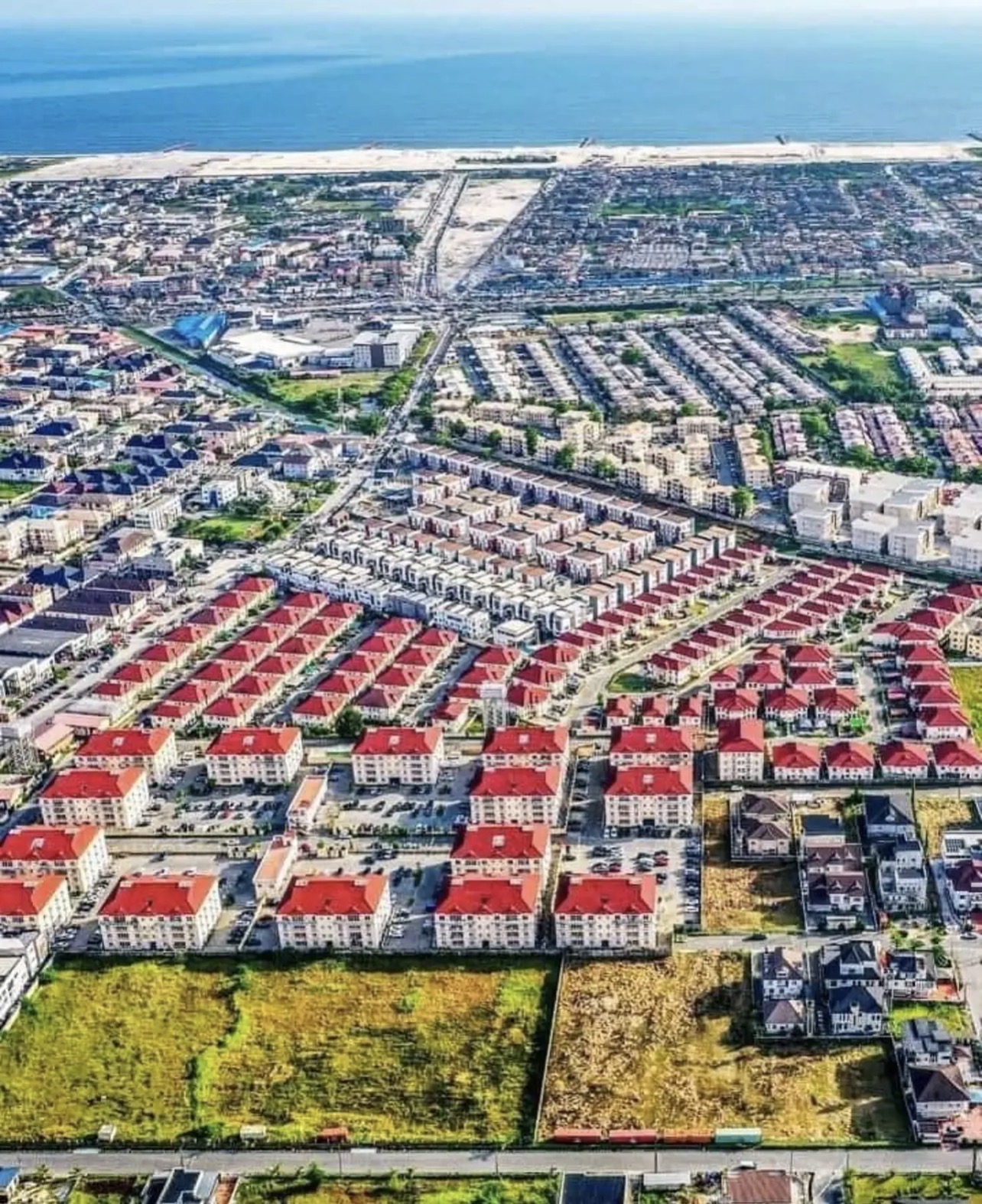
Ajah is a patchwork of estates; these are the ones buyers and renters search for most.
-
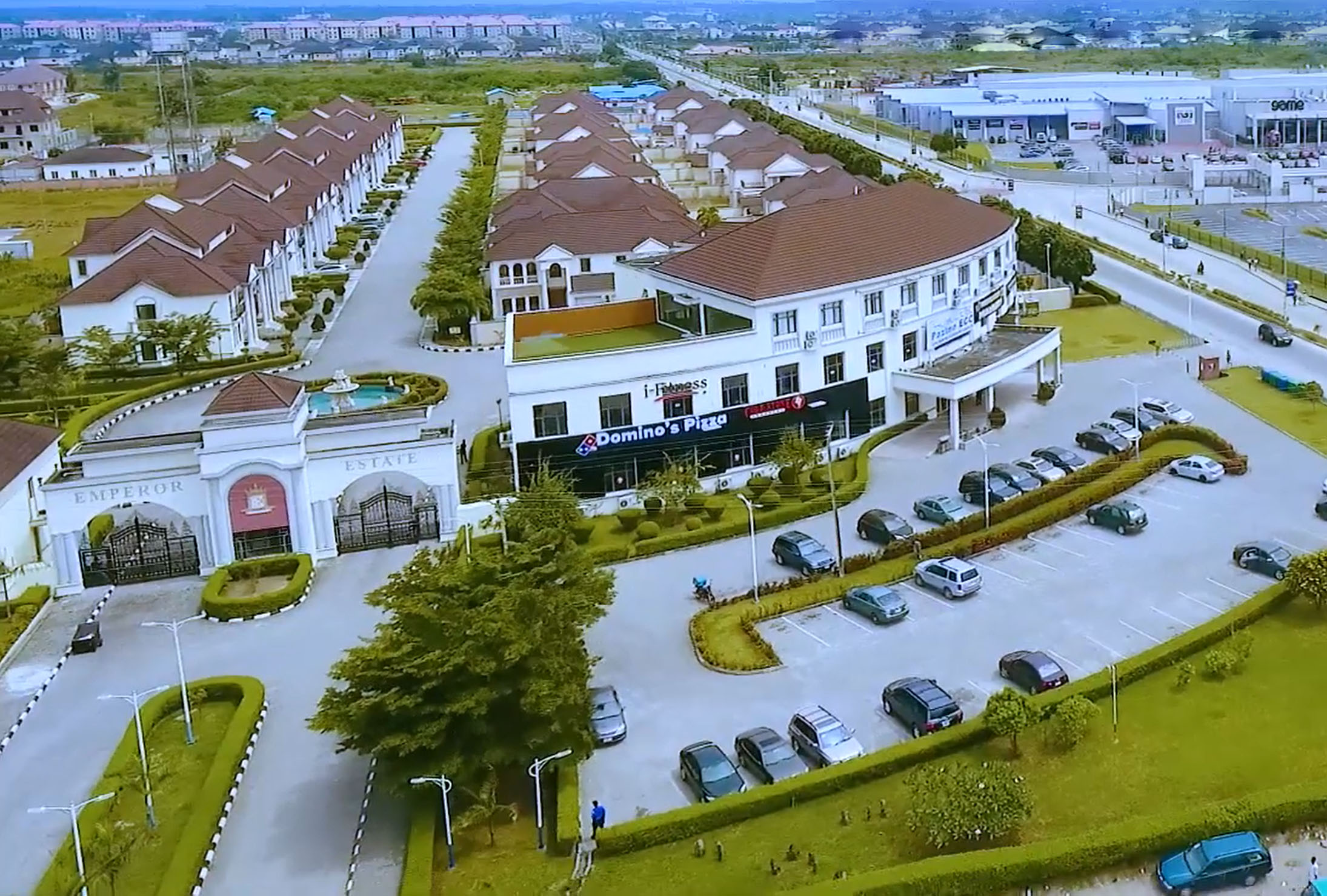
Abraham Adesanya Estate – the former state housing scheme by the 10th roundabout, now a large middle-class neighbourhood of bungalows, flats and new terraces with two main gates.
-
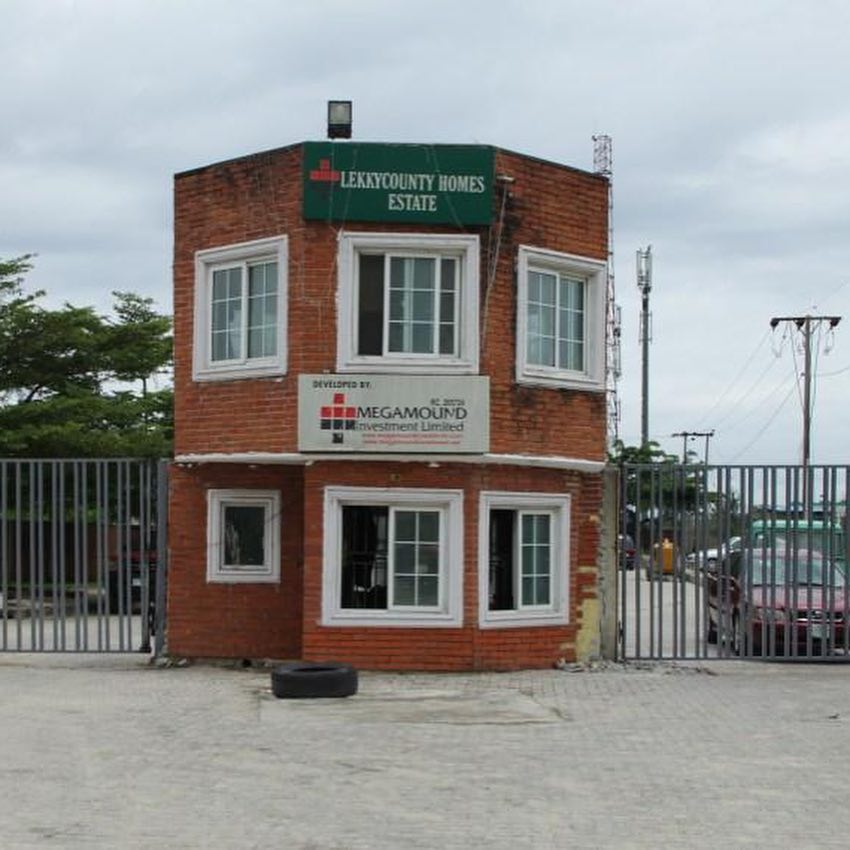
Lekki Gardens (Phases 2 and 4) – developer-built terraces and flats off Abraham Adesanya Road, popular with first-time buyers and short-let operators.
-
Thomas Estate – a mature gated estate between the Ajah bus stop and Abraham Adesanya roundabout, with detached houses, semi-detached duplexes and blocks of flats.
-
Badore estates – Cooperative Villa, Greenville, Peaceville, Seaside, Silver Point and Genesis Court, quieter lagoon-side schemes near the ferry terminal.
-
Royal Gardens Estate – one of Ajah's more upmarket gated estates, with larger detached homes.
-
Ocean Palm, Peninsula and Urban Prime estates – mid-market schemes along the Ogombo and Sangotedo fringe.
-
Citadel View, Divine Homes and Sunview – smaller estates off Thomas and Abraham Adesanya with terraces and flats.
Transport
Ajah is the transport hub of the eastern corridor, for better and worse. The Lekki–Epe Expressway runs straight through it, and the Ajah flyover (opened 2017) and the Abraham Adesanya roundabout are the key interchanges. Outside peak hours, Lekki Phase 1 is 25 to 35 minutes away and Victoria Island 40 to 50 minutes; in the morning rush (about 6.30 to 9.30 am) the VI run regularly takes 90 minutes to two hours, and the evening return is similarly slow from 5 pm.
Public transport is abundant. Ajah motor park and the bus stops at the roundabout are served by danfo and Lagos state buses to Obalende, CMS and Oshodi, and keke tricycles cover every internal road, including Addo, Badore and Abraham Adesanya. Uber, Bolt and inDrive operate throughout, and okada are common on side roads despite restrictions.
The Badore ferry terminal, run with Lagos Ferry Services and LASWA, is the area's secret weapon: morning and evening boats to Falomo, Five Cowries and CMS take around 30 to 40 minutes. Road works on the expressway and drainage projects are ongoing and can add delays. Within estates, roads range from good interlocking to unpaved, so check the access road to any specific property.
Schools
Ajah has one of the highest concentrations of private schools on the Island, reflecting its family population. In Badore, Lakefield Schools, Edidot Schools, Royal Regency Schools and Dorato Royal International School are established names, and Lagos State Model College, Badore is the leading public secondary option. Around Abraham Adesanya and Thomas Estate you will find Crane College, Busy Minds College, Jesilo High School, Lakewood British School, Readington School and Learning Ladder Montessori, plus pre-schools such as Greater Scholars.
For the premium international schools, Greensprings, Meadow Hall, Corona and Grange's Lekki campus are 20 to 30 minutes west, while Chrisland and Russell International in VGC are ten minutes away.
Tertiary education is a genuine strength: the Lagos Business School (Pan-Atlantic University) at Olokonla is in Ajah itself, and Pan-Atlantic's main campus in Ibeju-Lekki is about 25 minutes east. Numerous vocational and tutorial centres operate along Addo Road and the expressway.
Healthcare
Healthcare provision has caught up with Ajah's growth, though mostly through private clinics rather than large hospitals. Almighty Specialist Hospital serves the Abraham Adesanya area, and there are numerous general practices and maternity clinics in Badore, Thomas Estate and along Addo Road. The Lagos State Ajah Primary Health Centre and the public general hospital in Ibeju-Lekki cover basic public care.
For more serious treatment, the hospitals by VGC and Ikota, including Lifecrest Hospital, Southern Gem Hospital and Etta Atlantic Memorial Hospital, are ten to fifteen minutes west, and the tertiary hospitals of Lekki Phase 1 and Victoria Island (Reddington, Lagoon, Evercare) are 45 to 90 minutes away depending on traffic. Pharmacy chains such as Medplus and HealthPlus have branches at Abraham Adesanya and Novare Mall, and diagnostic labs cluster around the Ajah roundabout.
-
Lifestyle, Food, and Retail

Ajah, market
Ajah has come a long way in terms of lifestyle infrastructure, and this trajectory continues.
Ajah Market remains the area’s beating commercial heart one of the best-stocked neighbourhood markets on the Island for fresh produce, proteins, groceries, and everyday goods, at prices that compare favourably to the supermarket alternatives.
Circle Mall (technically at Lekki Phase 2, a short drive away) is the closest thing to a full-service mall, with a supermarket, food court, cinema, and retail brands. It’s made a genuine difference to the lifestyle proposition of the broader corridor.
Sangotedo: neighbouring Ajah has also seen significant retail development, with a Shoprite and associated commercial activity that draws from across the area.
The restaurant and bar scene in Ajah proper is growing but not yet at Lekki Phase 1 levels. There are good local options and an increasing number of quality sit-down restaurants, particularly in the estate-adjacent areas. For fine dining and the full Island restaurant experience, most residents make the trip to Lekki Phase 1 or Victoria Island.
For outdoor recreation, the Lekki Conservation Centre is accessible from Ajah, as is the coastline in some sections of the corridor. The area has more open space than the denser parts of the Island one of Ajah’s underrated quality-of-life assets.
Utilities: Power and Water
Power supply in Ajah varies significantly by building and estate. Newer, well-managed estates almost universally include diesel generator backup. Older, standalone buildings are less consistent.
An important practical point: Ajah is further from the EEDC grid infrastructure that serves Lekki Phase 1, and public power supply can be less reliable as a result. Generator uptime and fuel costs are a more significant factor in the actual monthly cost of living here than at addresses closer to the grid.
Water supply follows a similar pattern. Estates with functioning boreholes and water treatment are the standard expectation in newer developments. Older buildings vary. As always, ask specifically about water supply arrangements and whether there are any associated monthly charges before you sign.
Who Ajah Is Best For
Young professionals working in the Lekki corridor.If your office is in Lekki Phase 1, Chevron, or further along the expressway, Ajah’s commute is very manageable and the rent-to-space ratio is excellent.
Families who need space and value schools more than nightlife. Larger apartments and duplexes are significantly more affordable in Ajah than in Lekki Phase 1 or Ikoyi. For families prioritising bedrooms over bar access, the trade-off often makes clear sense.
Renters who’ve been priced out of Lekki Phase 1 but want Island living. Ajah offers genuine Island access without the full Lekki Phase 1 price tag. It’s a deliberate choice, not a consolation prize, for an increasing number of Lagos residents.
Budget-conscious early-career workers and corpers. The self-contain and 1-bedroom market in Ajah is more accessible than almost anywhere else on the Island, making it a realistic first step for people who want to establish themselves on the Island without overextending.
What to Watch Out For
Flooding on specific streets and estates. More prevalent in Ajah than in Lekki Phase 1. Don’t skip flood-risk verification for the specific address neighbourhood-level assurances aren’t sufficient.
Road quality off the main expressway. Internal roads vary significantly. Some estate roads are well-paved; some roads leading to smaller developments are not. Visit the actual access route to your prospective apartment, not just the apartment itself.
Fake and stale listings. High demand from budget-conscious Island renters makes Ajah a common hunting ground for agents recycling old listings or misrepresenting availability. Verify listing status through a platform that confirms real-time availability not just advertised availability.
Commute honestly assessed. Ajah’s commute to VI and the Mainland deserves serious reflection before you commit. The rent savings are real, but so is the time cost. Run the actual numbers on your specific route before signing.
Service charges and generator costs. Monthly fuel and service fee levies can add 30,000 Naira – 150,000 Naira to your effective monthly cost. Always get the full picture, not just the headline rent.
Security
Security in Ajah is very much estate by estate. The gated schemes, including Abraham Adesanya, Thomas Estate, Lekki Gardens and the Badore estates, run their own gates, guards and levies, and residents generally report few incidents inside. The Ajah and Ogombo police divisions, plus Lagos Neighbourhood Safety Corps patrols, cover the wider area.
Honest concerns: Ajah's open areas and motor-park surroundings have a higher rate of petty theft, phone snatching and occasional traffic robbery than western Lekki, and the area has a history of cult-related clashes and land disputes involving Omonile groups, mostly affecting undeveloped plots. Night-time travel on unlit side roads and the expressway stretch towards Sangotedo calls for caution. Flooding during heavy rains is the other recurring risk, particularly near the lagoon and in low-lying estates.
Pros & Cons
Pros
-
The most affordable rents and purchase prices on the Lagos Island corridor
-
Strong rental demand and high yields for investors
-
Cons
-
Some of the worst peak-hour traffic in Lagos on the expressway
-
Flooding and poor drainage in parts, especially near the lagoon
-
Security and infrastructure vary widely between estates and open areas
-
Land title disputes and Omonile issues on undeveloped plots
-
Noisy, congested commercial stretches around the roundabouts and markets
-
Excellent transport options including the Badore ferry, buses and the flyover
-
Good spread of schools, supermarkets, Novare Mall and Lagos Business School
-
Beaches and beach clubs on the doorstep at Okun-Ajah
-
Rapid growth driven by the coastal highway and Ibeju-Lekki development
Frequently Asked Questions
Is Ajah a good place to live in Lagos? Yes, particularly for renters who work in the Lekki corridor, families who need space, or anyone who wants Island access at a lower price point than Lekki Phase 1. The trade-offs are real: longer commutes to VI and the Mainland, variable road quality, and flooding risk in some areas. But for the right profile, Ajah consistently delivers strong value.
How much is rent in Ajah in 2025? Rent in Ajah ranges from around 700,000 Naira per year for a 1-bedroom flat to 4 million naira and above for a 3-bedroom in a managed estate. The wide range reflects significant variation in estate quality, building age, and specific location within the Ajah corridor.
Does Ajah flood? Some parts of Ajah flood significantly during rainy season; others don’t. Flooding risk is highly localised and varies street by street. Always check flood-risk data at the listing level before committing neighbourhood-level reassurances are not reliable.
How far is Ajah from Victoria Island? Approximately 30 – 45 minutes under light traffic. During rush hour, expect 1.5 to 2.5 hours. For daily VI commuters, this is a significant time commitment. For workers whose offices are in the Lekki-Chevron corridor, the commute is much more manageable.
Is Ajah safe to live in? Reasonably so, particularly in gated estates with their own security infrastructure. As with any Lagos neighbourhood, standard precautions apply — secure your vehicle, avoid displaying valuables, and be aware of surroundings at night, particularly around the market area.
What is the best estate to live in around Ajah?Abraham Adesanya Estate is one of the most established. Newer gated developments along Ogombo Road and in the Thomas Estate/Lekki Scheme 2 areas have also become popular. The best option depends on your budget, commute direction, and priorities. Some listings for sale in Ajah neighborhood Properties for sale in ajah Lekki




















Leave a Comment